
Cracks, joints and the freeze thaw cycle
Pennsylvania concrete cracks because water gets in and then freezes. What matters is telling the cracks that are finished moving from the ones that are not.
Why slabs crack here specifically
The Lehigh Valley gets a genuine freeze thaw cycle, and it is harder on concrete than a colder climate would be. Water works into a hairline crack or a porous surface, freezes overnight, expands, and opens the gap slightly. It thaws the next afternoon, more water gets further in, and it freezes again. Repeat that through a winter and a crack you could barely see in October is a real one by April.
Road salt makes it worse rather than just staining. Brine lowers the freezing point and draws moisture, so a salted surface stays wet longer and cycles more often than a clean one. That is why garage aprons, steps and driveways in this city fail faster than interior slabs of the same age.
The third cause is settlement, which is a different problem with a similar appearance. Old rowhome slabs poured directly on soil move as the ground under them consolidates, and a settlement crack is usually straighter, wider at one end, with a height difference across it. That distinction decides the repair.
Cobra Epoxy and Flake Coatings, PA HIC 177204A crack that is still moving cannot be filled rigid. Getting that wrong just moves the failure six inches sideways.
Four kinds of damage, four different fixes
Static cracks
Finished moving. Routed out, filled with a rigid semi solid epoxy, ground flush. Under a coating these disappear completely.
Moving cracks and joints
Filled with a flexible material and honored in the surface rather than buried, so the movement has somewhere to go.
Spalling and delamination
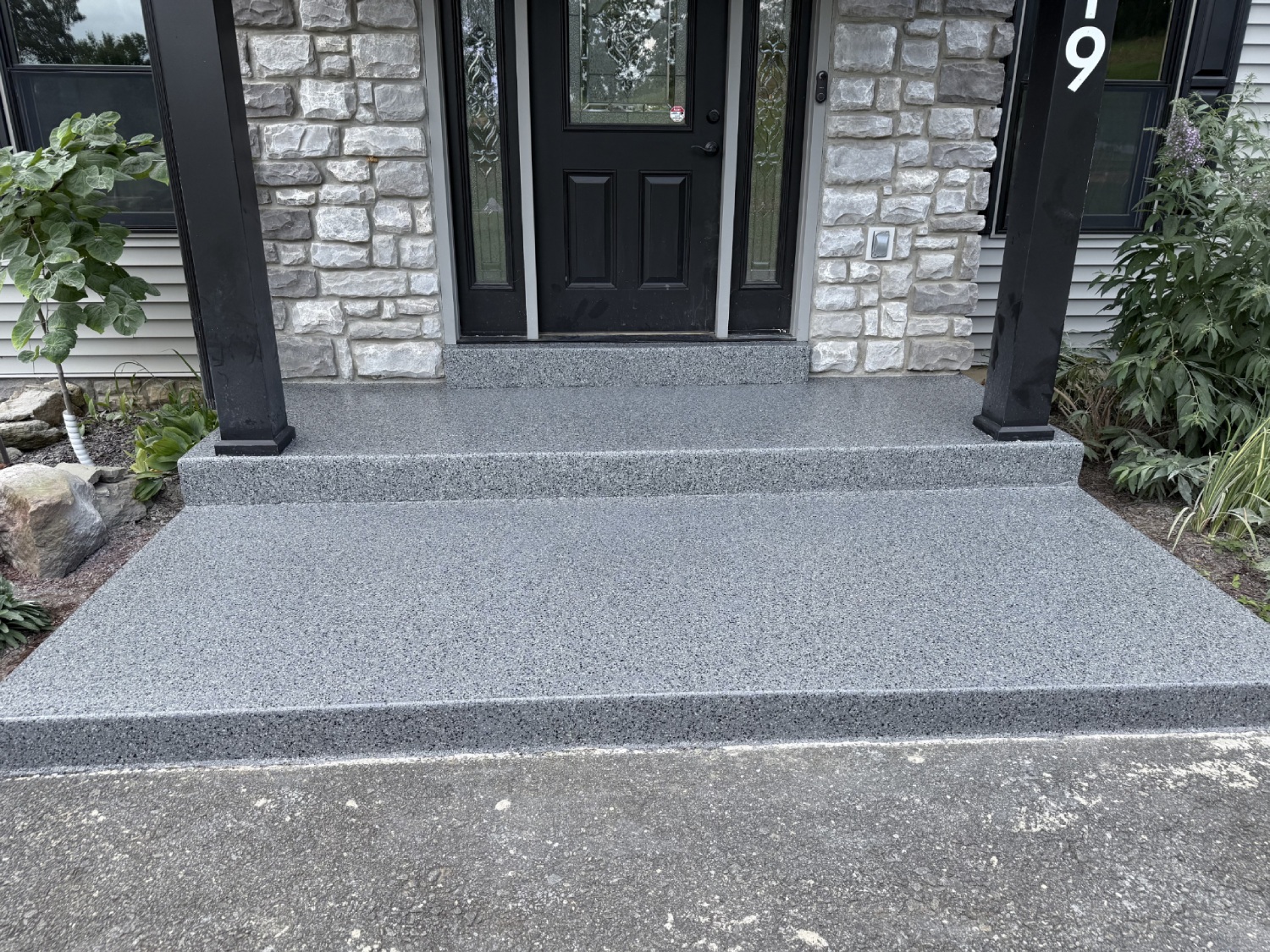
The failed top layer cut back to sound concrete and rebuilt, rather than skimmed over. Common on garage aprons and steps.
Pitting and pop outs
Filled and ground so the surface takes a coating evenly. Usually freeze thaw damage on an exposed slab.
Reading a slab before filling anything
The mistake we get called to fix is a slab where every crack was filled with the same rigid product. Where the crack was static that worked fine. Where it was still moving, the filler held and the concrete cracked again alongside it, so now there are two cracks instead of one.
Telling them apart takes looking rather than guessing. A static crack has clean edges, no height difference and no fresh dust. A moving one often has a lip, powder along the edge from the two faces working against each other, and it will have grown since the homeowner first noticed it.
Where a crack goes through the full slab and the ground underneath has moved, filling it is cosmetic. That is a structural conversation and we will say so rather than take money for a repair that reappears next spring.
Most crack and joint work happens as the first stage of a floor coating, because a coating is only ever as sound as what is under it. It can also be done on its own where a slab simply needs stabilizing and sealing rather than a full system.
Send the details over and Jimmy will call inside a business day.Mark each end with a pencil and look again in a month. That tells us more than a photo does.
Where we work in Allentown
Across Allentown and Lehigh County, on basement slabs, garage floors, aprons, steps and pool decks. Exterior repair is seasonal and best booked outside the deep freeze so the material cures properly.
Questions
Crack repair questions from Allentown
What people ask when they notice a crack getting longer.
How do I know if my crack is still moving?
Look for a height difference across it, powder or fine dust along the edges, and whether it has visibly grown since you first noticed. A static crack has clean edges and stays put. If you are unsure, mark each end with a pencil and check in a month. That simple test tells us more than a photograph does.
Can you just fill it and coat over the top?
If it is static, yes, and it will disappear entirely under the floor. If it is moving, filling rigid and coating over it means the crack reappears through your new floor within a season, which is worse than leaving it. Moving cracks get a flexible treatment and stay visible as a line, which is the honest trade.
My garage apron is flaking apart at the edge. Is that the same thing?
That is spalling rather than cracking, and it is the classic salt plus freeze thaw failure in this city. The failed layer has to come off back to sound concrete and be rebuilt. Skimming over it looks fine for a few months and then comes away taking the skim with it.
Do you do this on its own or only with a floor?
Either. Most of it happens as the first stage of a coating, because that is when the slab is open and being ground anyway. But if a basement or garage slab just needs stabilizing and sealing rather than a full system, that is a job on its own and we will quote it that way.
Is there a time of year that is better?
For interior work, any time. For exterior slabs, aprons, steps and pool decks, spring through fall, because the repair material needs a temperature range to cure properly and a hard frost during cure is a problem. We will tell you if the forecast means waiting a week.
Will the repair be invisible?
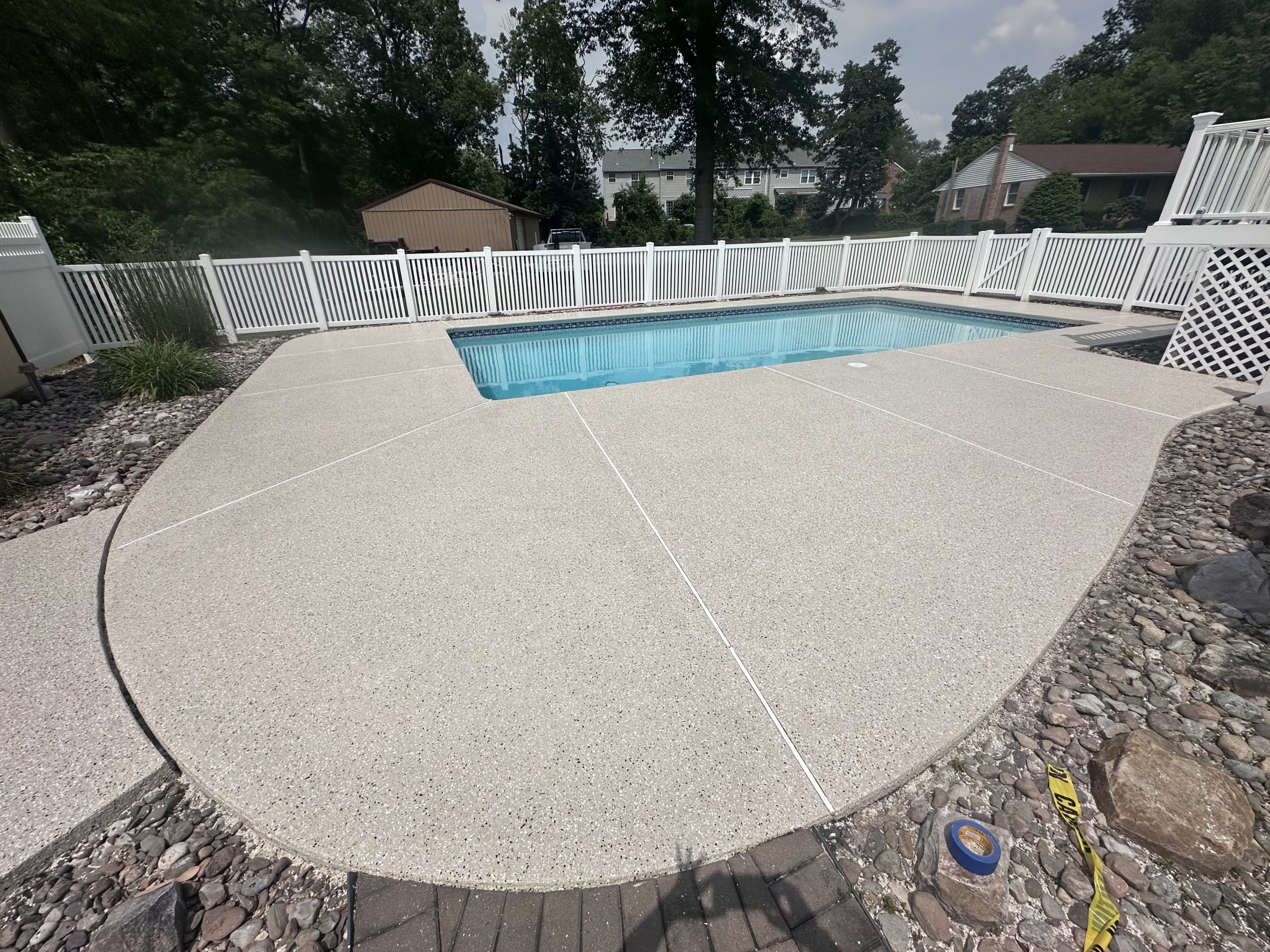
Under a coating, a static crack repair is genuinely invisible. On bare concrete it will show as a line, because the filler will not match the surrounding slab exactly and no honest contractor will claim otherwise. Moving joints stay visible by design.
Book a walkthrough
Book a walkthrough for your slab
Send a photo of the crack with something for scale, and say whether it has grown since you first noticed. Jimmy will call inside a business day and come and read the slab properly.
Made in the USA product, OSHA certified crew, PA HIC 177204. Call (484) 942-3219 or send the details over.
Tell us about the floor
A quick description is enough to start. Expect a call back within a business day.
Related work in Allentown
Repair is usually the first stage of a basement floor or a garage floor, and it is what makes a flake system last. Commercial slabs get the same treatment on a larger scale on our commercial page. Full detail on the main concrete crack repair page, work in the gallery. We serve Allentown and Lehigh County.